Protecting Teenagers from Antisocial Behaviour on Social Media
Author:FENAN Consulting
We support youth, adults, and educators to enhance their digital literacy, psychological resilience, and other skills critical to thrive in the 21st century. We aim to promote democratic values, social innovation, and positive behavioural change across diverse communities.
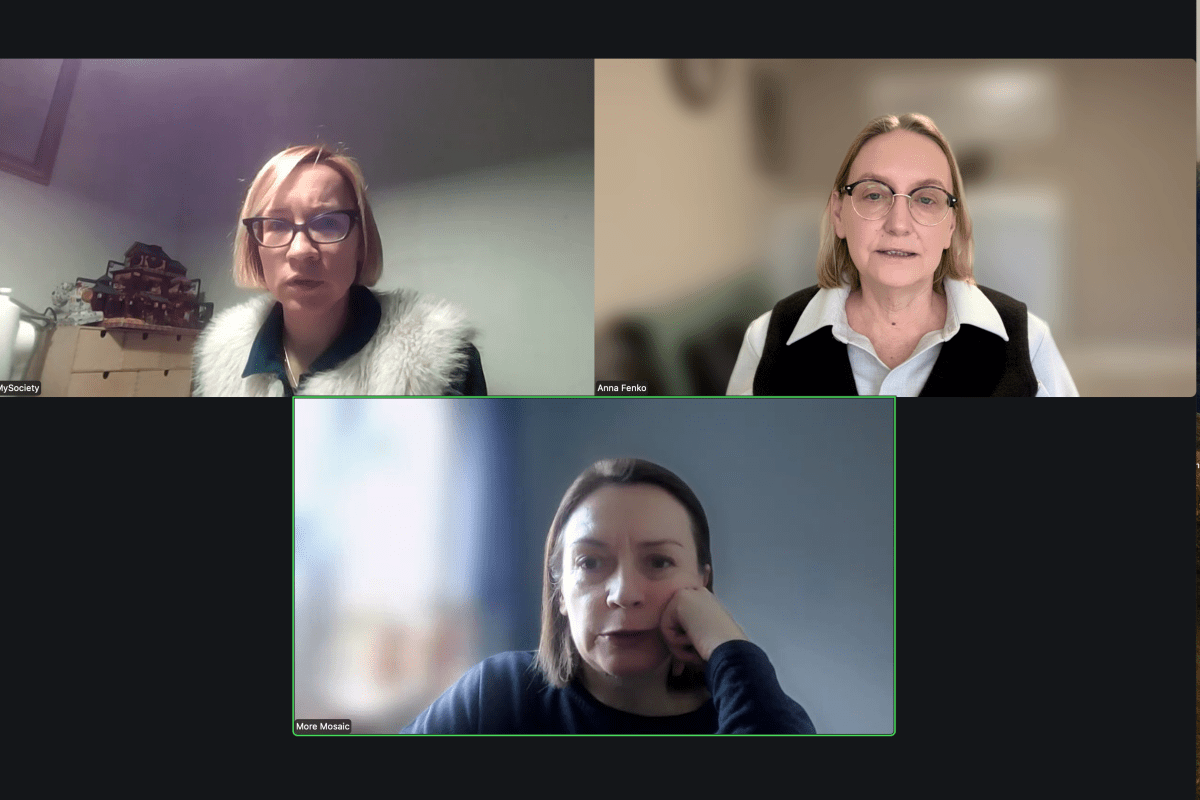
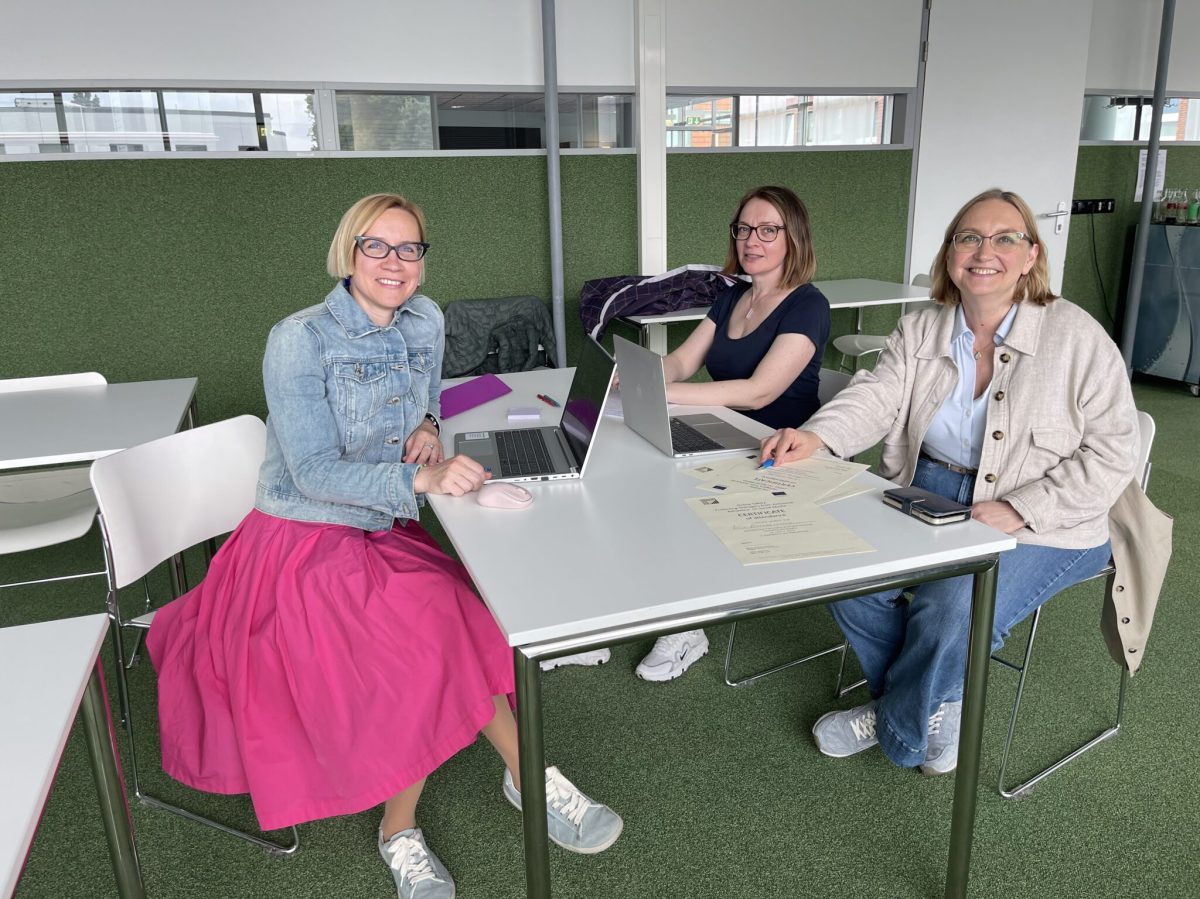
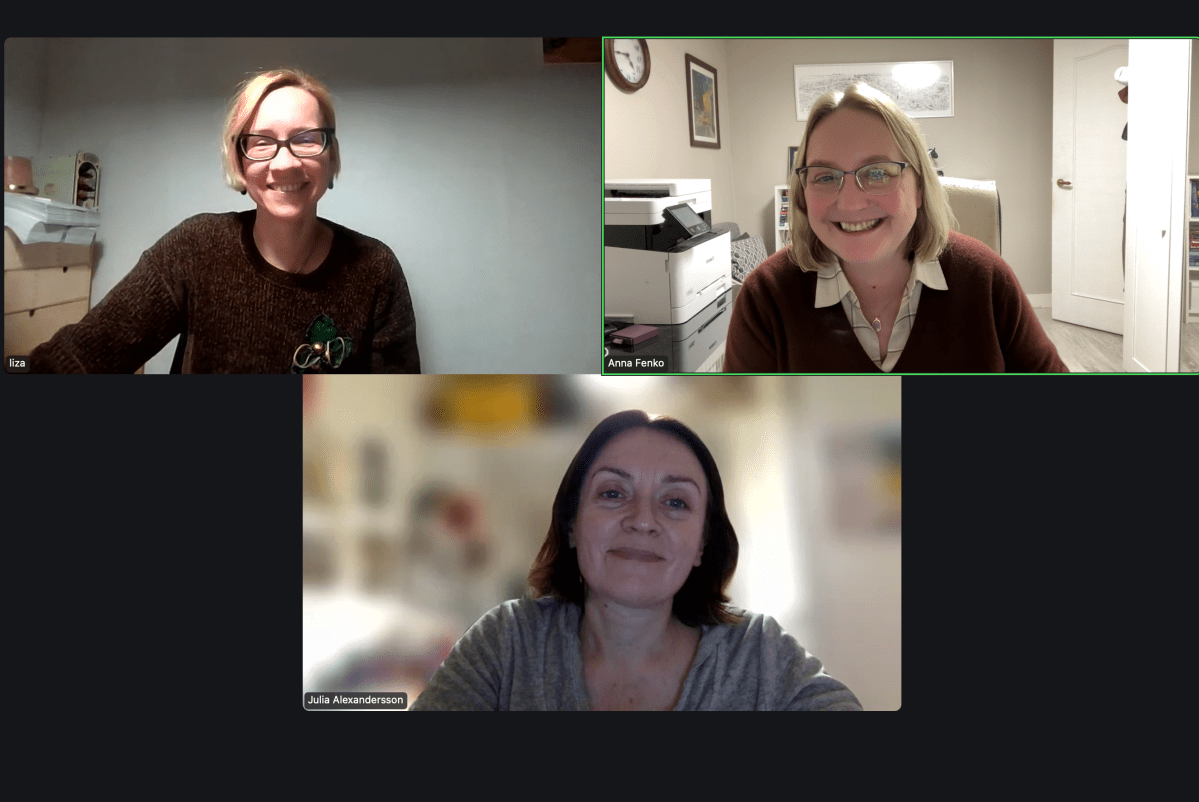
Today’s online partner meeting marked an important milestone for the project “Online Safety: Protecting Teenagers from Antisocial Behaviour on Social Media” (Project No. 2024-1-NL02-KA210-YOU-000254138).
As the project is entering a decisive phase, the discussion focused not only on what we have developed so far, but on how our results can create real impact beyond the consortium.
Finalising the methodological tool for adult educators
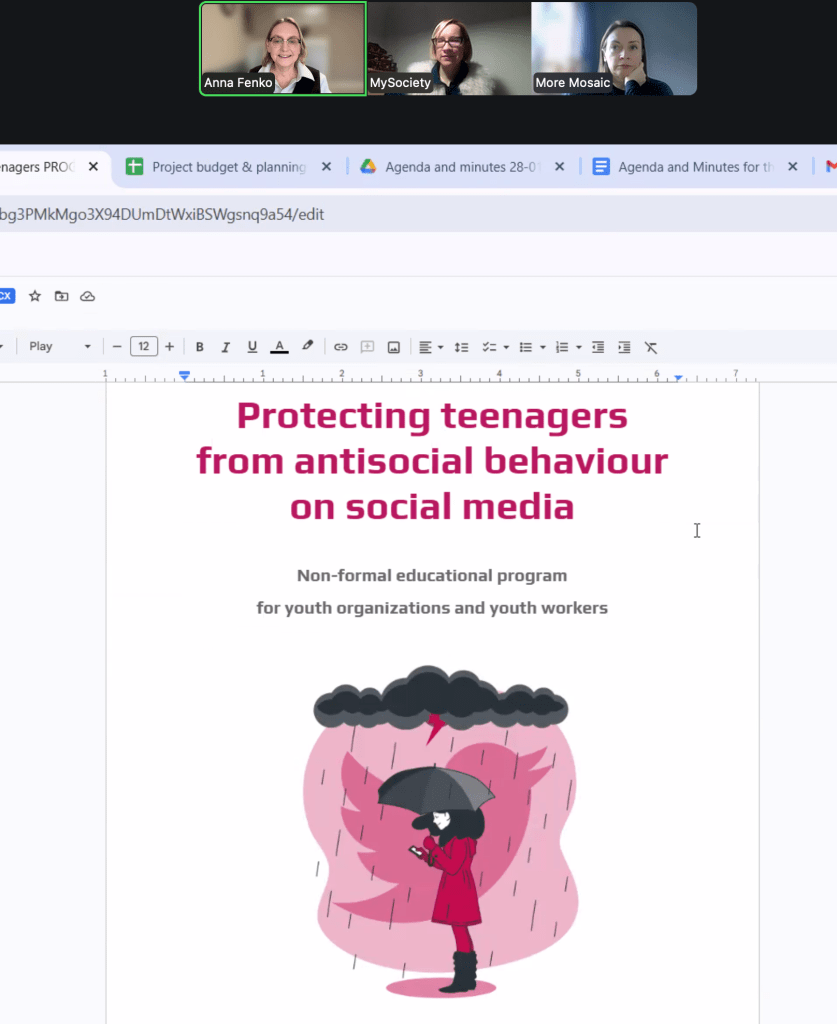
A key highlight of the meeting was the near-completion of our methodological tool for adult educators. This resource has been designed to support youth workers and trainers in addressing antisocial behaviour on social media and strengthening teenagers’ online safety skills.
Partners reviewed the current version of the tool, discussed translations, and agreed on the next steps for sharing the programme with associated partners for feedback. This final round of validation will help ensure that the methodology is practical, relevant, and adaptable across different educational contexts.
The final version will soon be published on our website.
Making the most of our project outputs
A major part of today’s conversation focused on dissemination and sustainability. Partners explored concrete strategies to actively use, test, and further develop the methodology within our broader networks.
Key ideas discussed included:
Sharing the educational programme with youth organisations and youth workers across partner countries.
Actively collecting feedback from practitioners to refine and strengthen the methodology.
Launching new collaborations within our existing networks to adapt the programme for different target groups, such as:
migrants,
youth leaders,
influencers,
volunteers working within youth organisations.
This approach reflects the project’s core philosophy: learning tools should evolve through use, dialogue, and collaboration.
Strengthening visibility through engaging storytelling
Partners also discussed how to better communicate our journey and achievements to a wider audience. One concrete outcome of this discussion was the decision to create a short, engaging video recap highlighting:
the project’s key activities,
the collaborative process behind the educational programme,
and the impact we aim to achieve with teenagers, educators, and youth organisations.
The video will complement our written outputs and help make the project’s message more accessible and engaging online.
Looking ahead
Today’s meeting confirmed a shared commitment among partners: ensuring that the project’s results are not only completed, but used, shared, and expanded. In the coming weeks, we will be reaching out to youth organisations, educators, and partners across Europe to test our tools, gather insights, and explore new ways of collaboration.
Stay tuned—exciting updates, resources, and our upcoming methodological tool will be available on our website very soon.
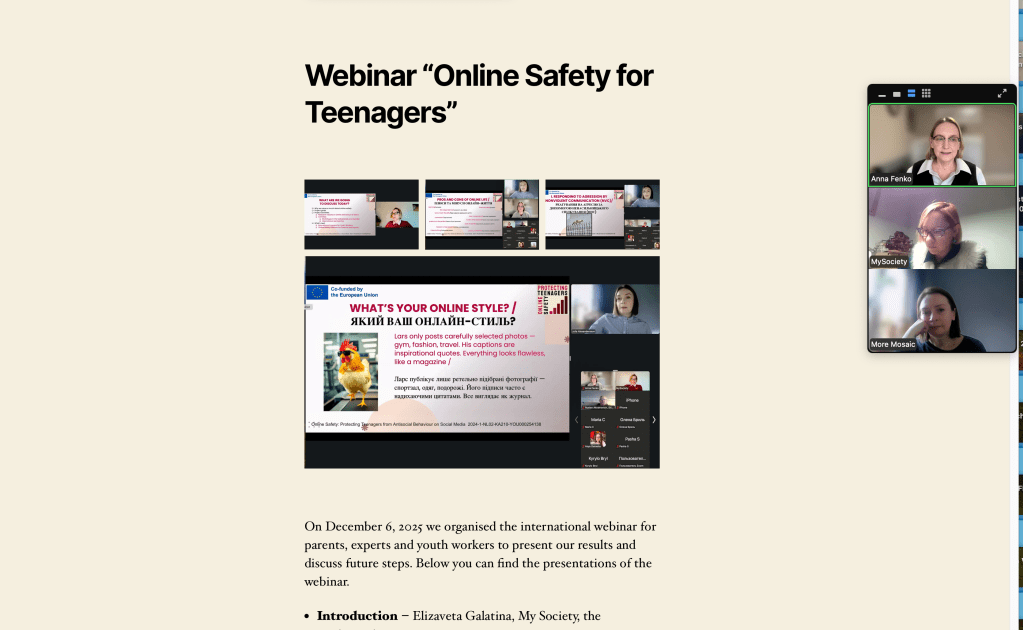
We are delighted to invite you to our upcoming webinar, where we will present the key outcomes of the project. Over the past months, our international consortium has worked to create practical, research-based tools that support teenagers, parents, and youth workers in navigating digital risks.
Preliminary program:
Introduction: project’s goals and activities
Online behaviour of Teens: Research results
Workshop overview in the Netherlands and Sweden
What’s next: Educational Program for Youth Workers and Online Safety Platform for Parents and Experts.
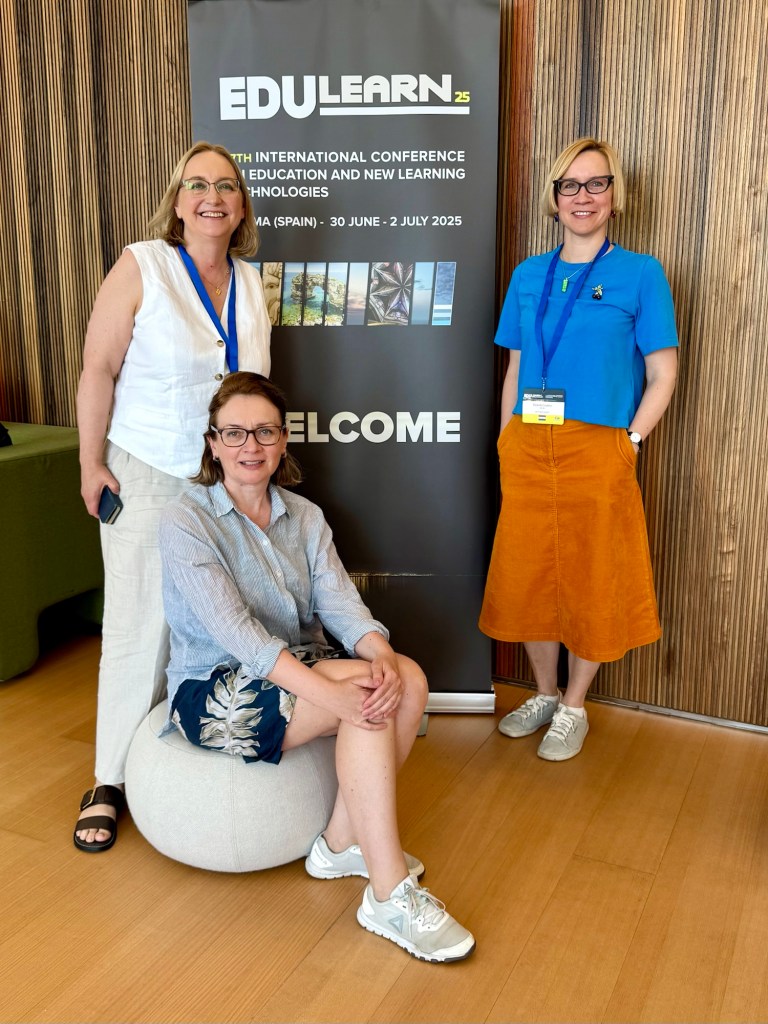
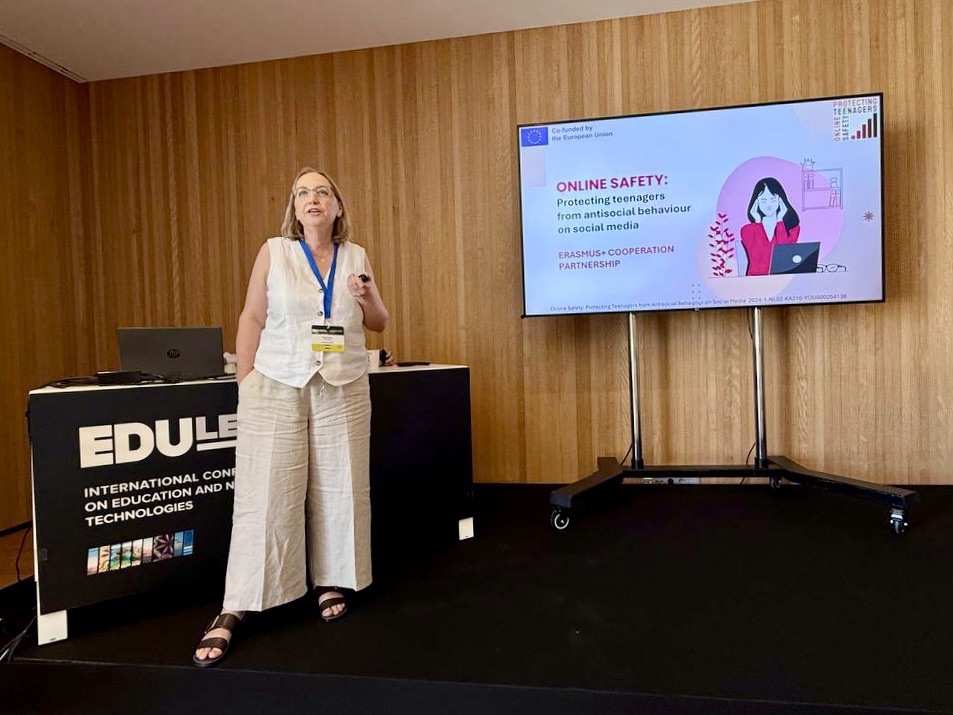
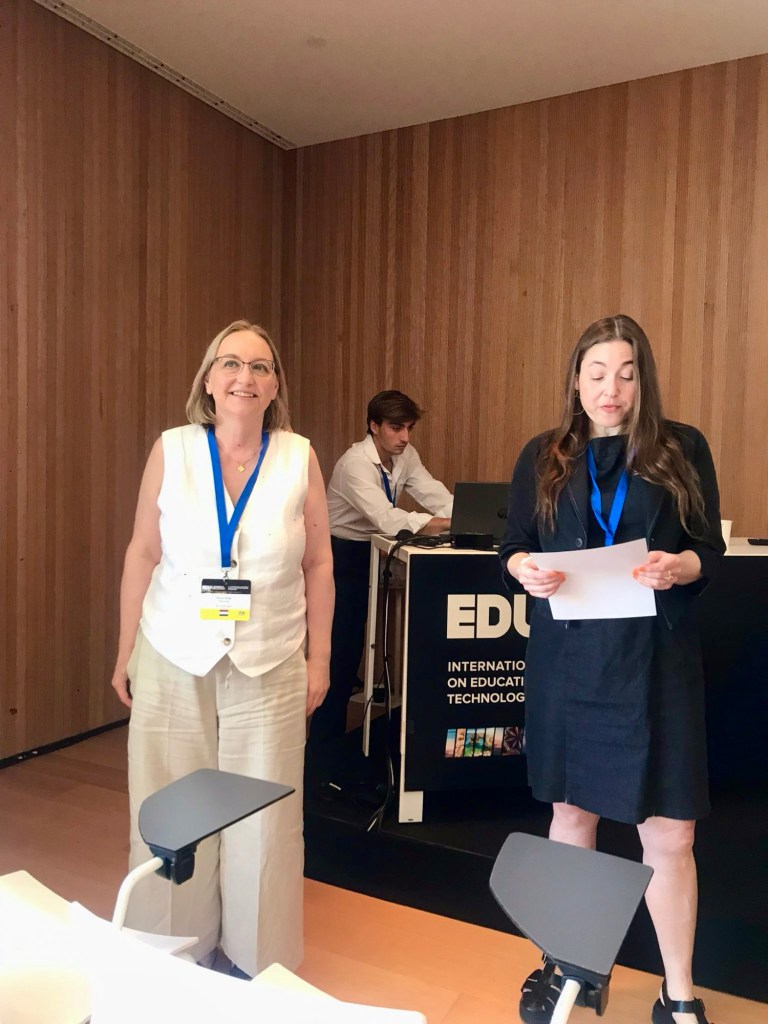
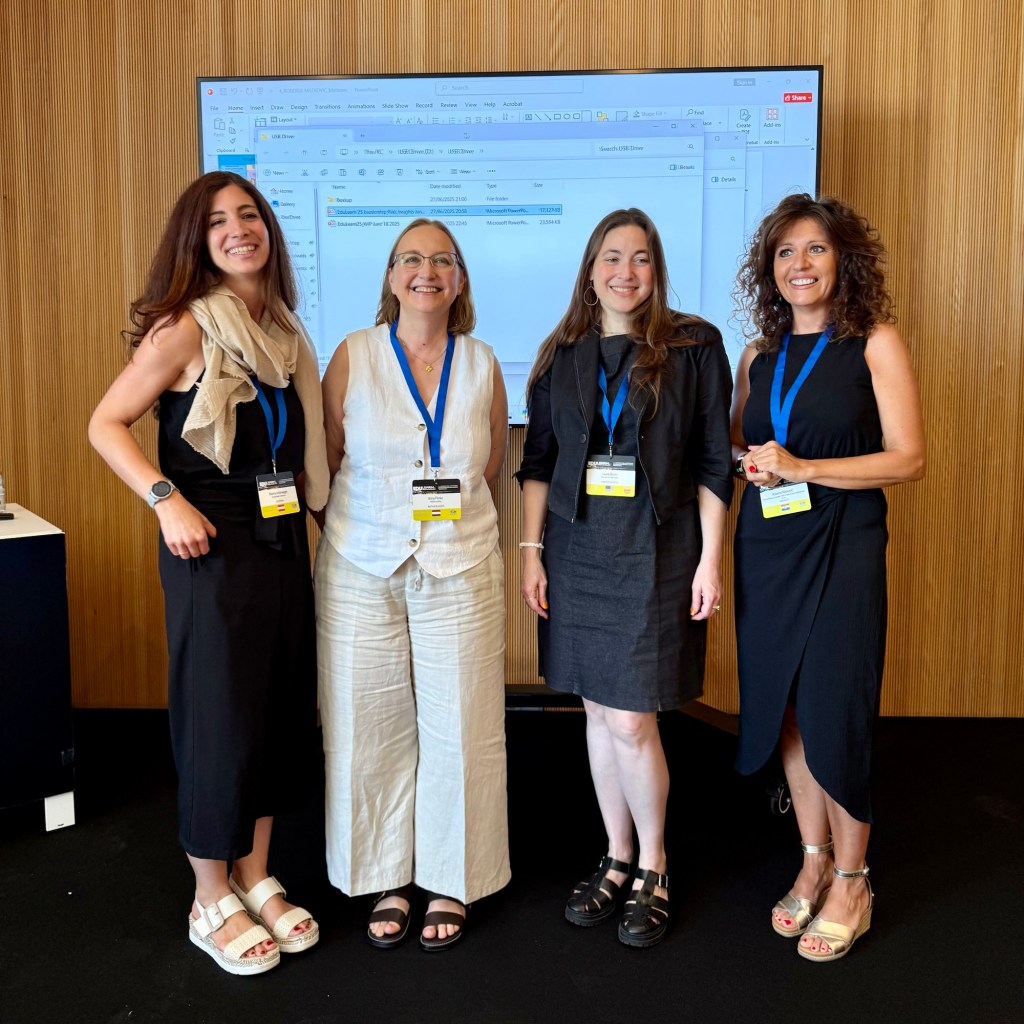
At this year’s EDULEARN2025 conference, our team proudly presented the initial outcomes of our Erasmus+ project “Online Safety: Protecting Teenagers from Antisocial Behaviour on Social Media” (2024-1-NL02-KA210-YOU000254138). The project addresses one of the most pressing challenges faced by teenagers across Europe today—navigating social media safely and resisting antisocial behavior online.
Our mission is not only to equip teenagers with knowledge and skills for safe digital navigation, but also to empower youth workers and educators with tools to guide teens in developing emotional regulation, mindfulness, and empathy in the online space. Our presentation received strong support for its non-formal and inclusive approach.
A key highlight of the presentation was our anonymous online survey of 163 teenagers aged 12–18 from the Netherlands, Sweden, and other EU countries. The study revealed important trends.
Research-Driven Approach: What Teens Told Us
Most teenagers use social media extensively for communication, entertainment, and news. A majority have encountered or witnessed antisocial behavior online. Teens value privacy but often underestimate the risks of sharing personal content. Emotional regulation is a common gap in their coping strategies.
These findings reinforced the urgency and relevance of our educational goals and informed the design of our upcoming SAFE ONLINE Workshop.
From Research to Action: Introducing the SAFE ONLINE Workshop
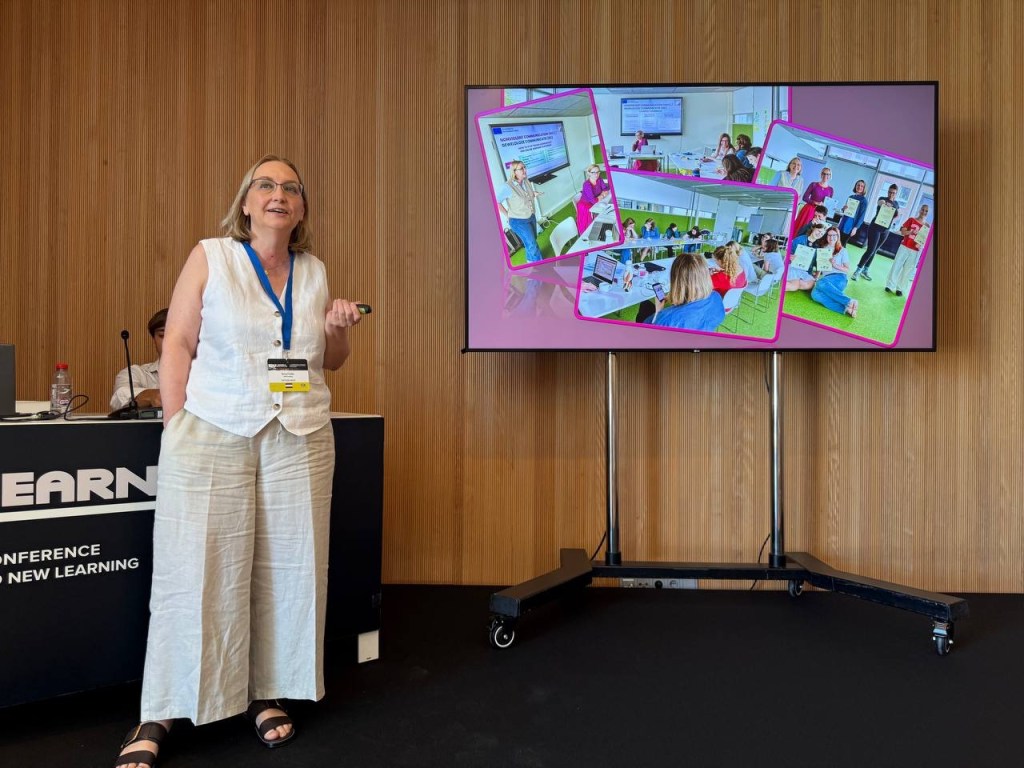
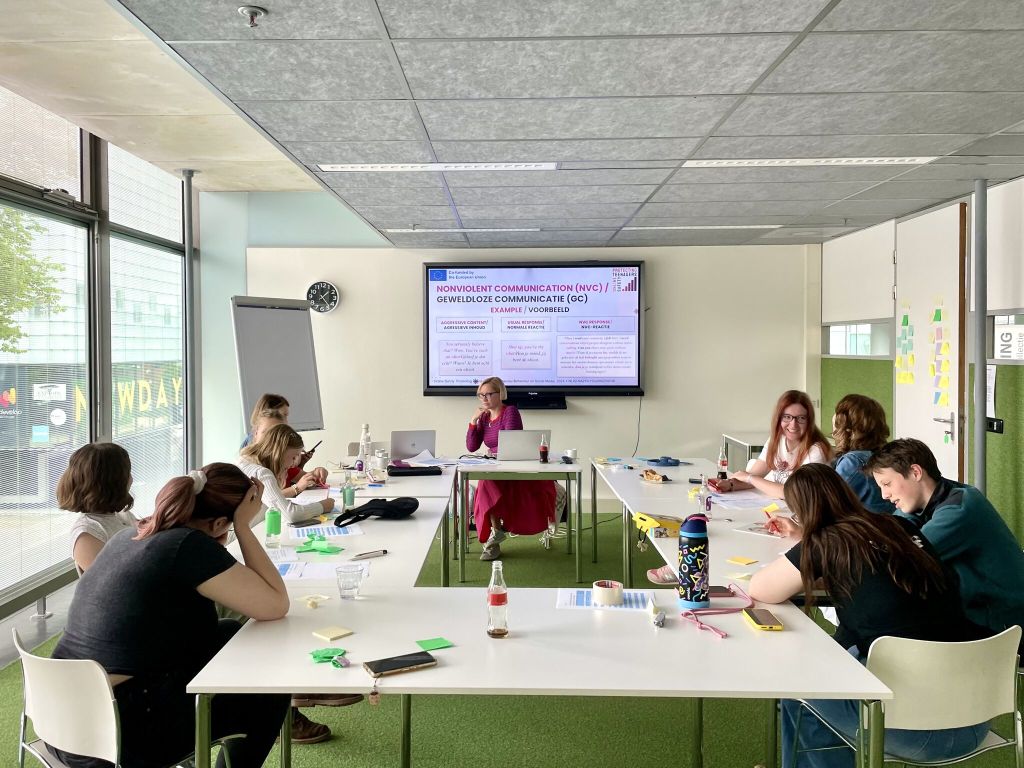
We introduced the next phase of our project: the development of an engaging, non-formal SAFE ONLINE learning program for teens. The workshop has been piloted in Apeldoorn, Netherlands. This interactive workshop focuses on:
1. Identifying harmful behavior online
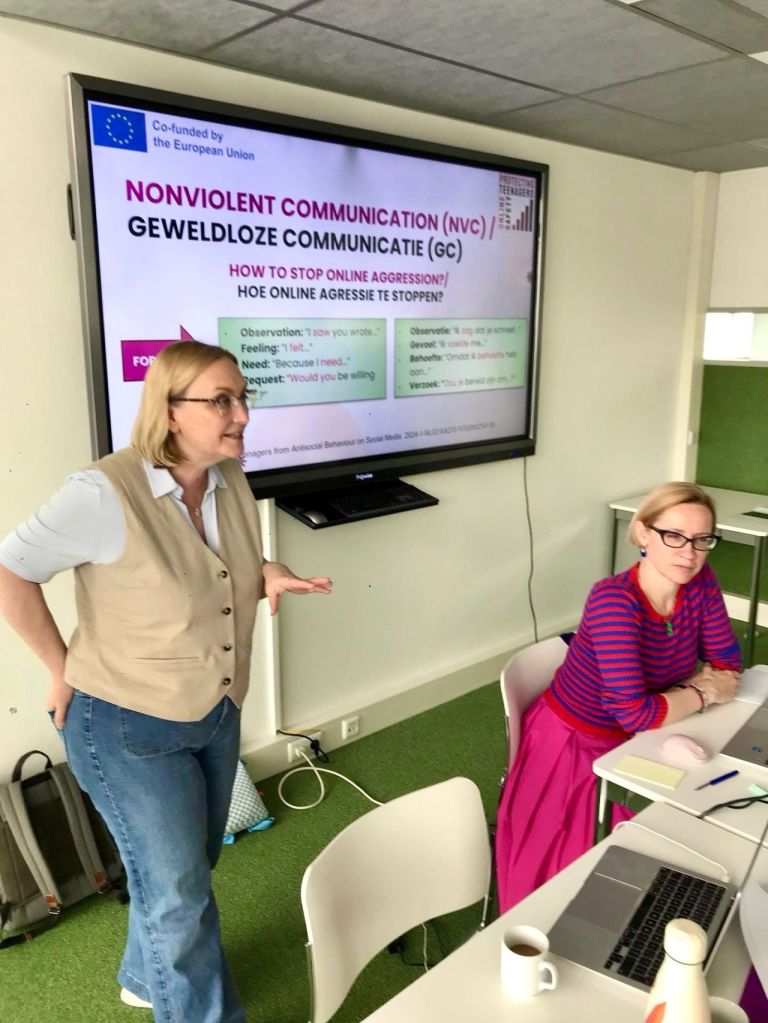
2. Using nonviolent communication to stop online aggression
3. Practicing empathetic communication
4. Creating a positive and authentic online presence
By addressing these core skills, we aim to foster digital resilience, especially among vulnerable youth who are disproportionately affected by online hostility.
Looking Ahead
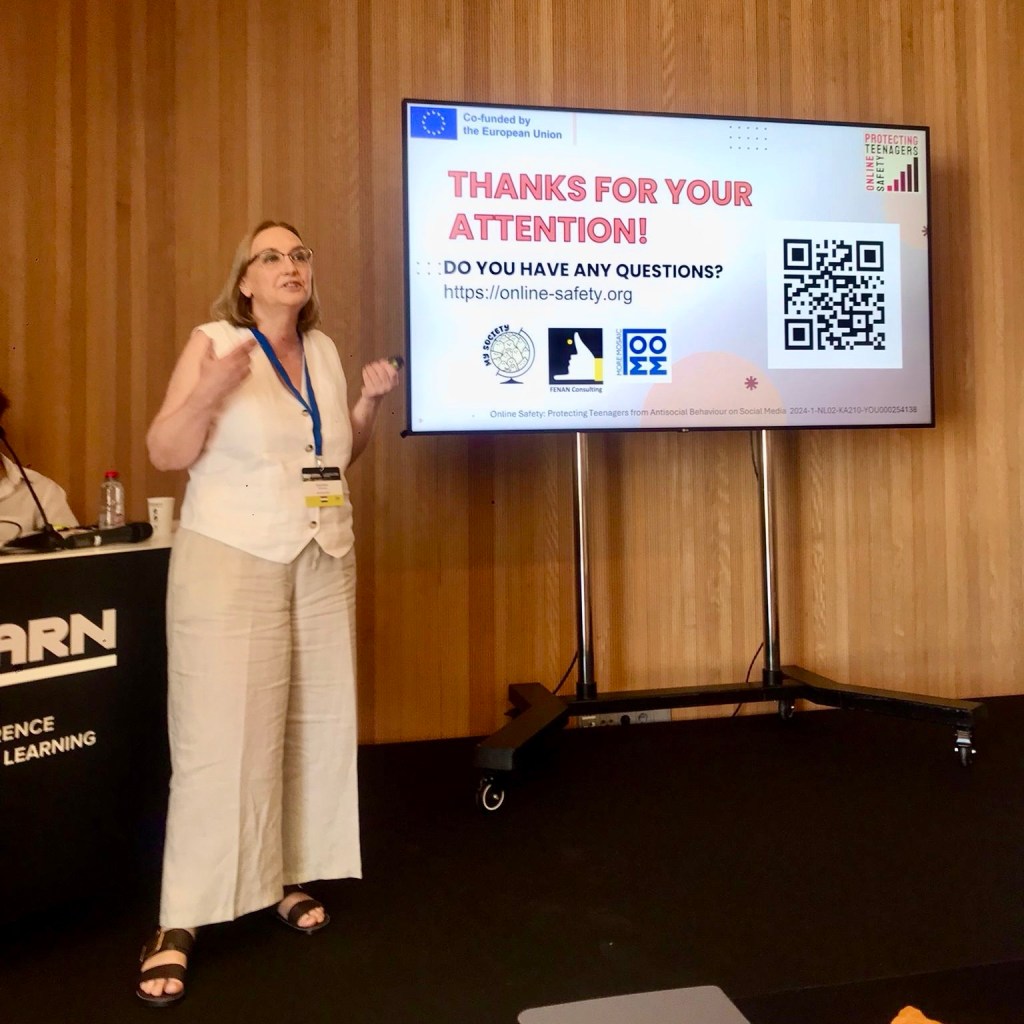
EDULEARN2025 provided a powerful platform to share our vision and connect with educators, policymakers, and youth professionals from across Europe. The feedback we received has energized us to move forward with greater clarity and motivation.
We believe that protecting teenagers online is a shared responsibility, and through collaborative efforts, education, and empathy, we can make social media a safer and more empowering space for young people.
On May 31 and June 1, the partners of the project “Protecting Teenagers from Antisocial Behaviour on Social Media”came together in Apeldoorn, the Netherlands, for their first Transnational Meeting. Known for its beautifully preserved royal palace, expansive rhododendron park, the Kröller-Müller Museum, and the innovative Apenheul primate park—where monkeys roam freely among visitors—Apeldoorn offered an inspiring setting for our collaboration.
The two-day meeting brought together representatives from FENAN Consulting (Netherlands), MySociety (Netherlands), and More Mosaic (Sweden). It was filled with productive discussions, hands-on planning, and valuable exchanges of ideas.
Day 1: May 31 We focused on final preparations for the upcoming workshop and took some time to explore Apeldoorn and get to know each other better.
Day 2: June 1 Following the workshop, we held a comprehensive working session to:
Reflect on the outcomes of the workshop, including participant feedback, facilitator insights, organizational aspects, and venue logistics;
Prepare for our contribution to the upcoming EDULEARN25 conference (June 30 – July 2, 2025);
Discuss the format and goals of the upcoming workshop in Sweden;
Develop a more detailed strategy for our social media activities;
Plan the creation of the educational program “Protecting Teenagers on Social Media” and the professional network “Online Safety Network for Teenagers”.
We also outlined key tasks and responsibilities in preparation for our next Transnational Meeting, scheduled to take place in Stockholm from August 20 to 24, 2025.
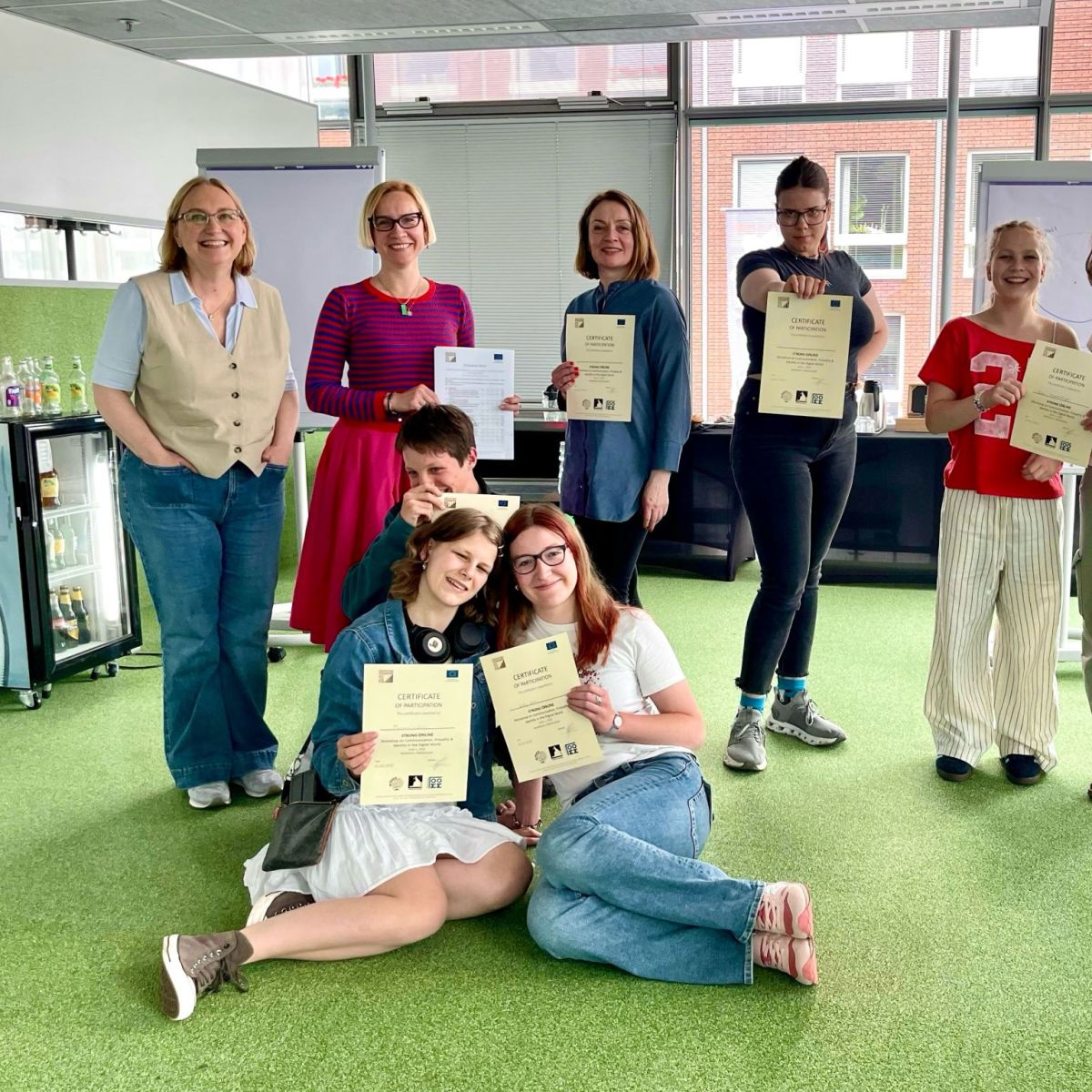
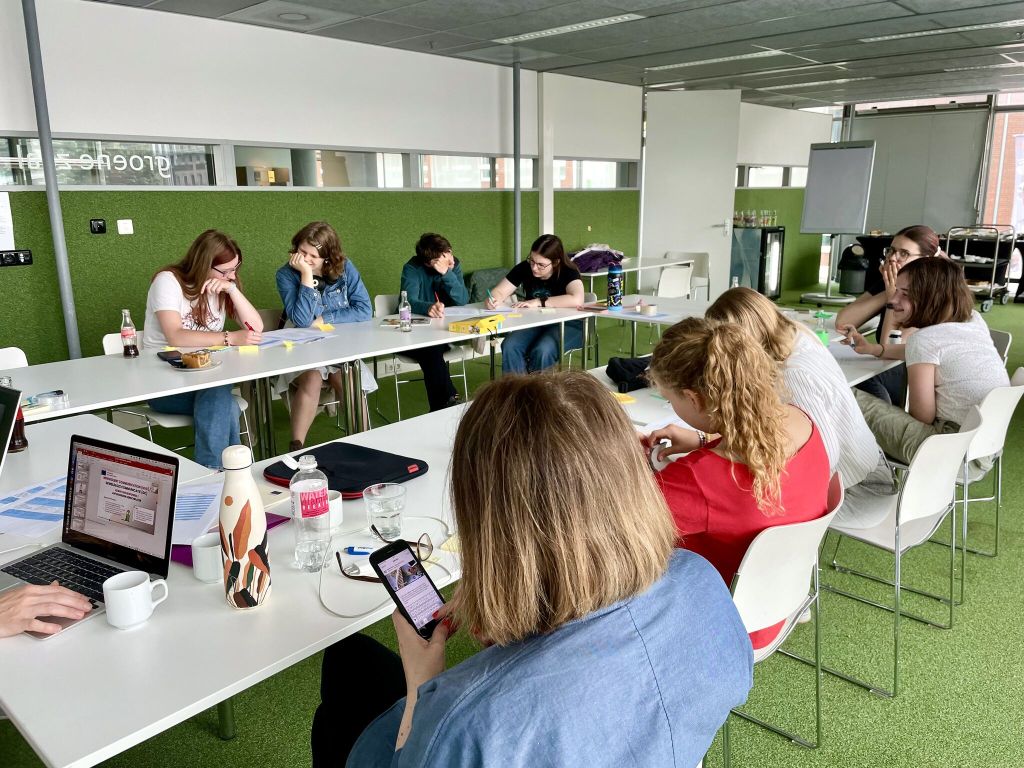
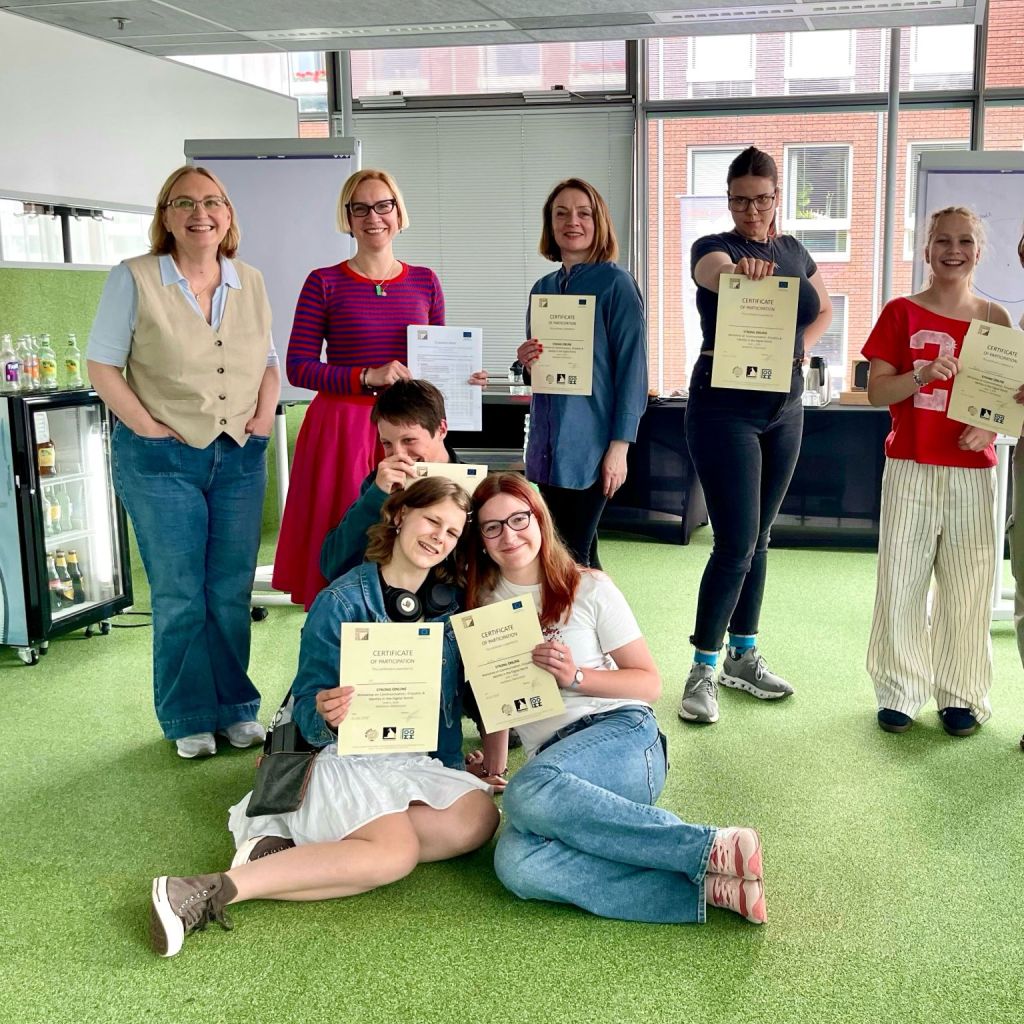
On June 1, we celebrated World Children’s Day with a dynamic group of Dutch teenagers at CODA Apeldoorn — not with balloons or cake (although there was food and snacks), but with something just as essential: real conversations about online safety, identity, and empathy.
Together, we explored:
The benefits and risks of online communication
The many faces of digital identity (from the chronic over-sharer to the anonymous explorer)
Strategies for responding to online aggression — using empathy and nonviolent communication instead of clap-backs and keyboard wars
The teens spoke openly about group chats, peer pressure, trolls, comment section chaos, and how to set boundaries in the digital world. Their honesty and insight reminded us why digital literacy must include emotional intelligence.
The energy was high, the conversations were deep, and the takeaway was clear: empathy is still the most underrated superpower online.
A big thank you to everyone who joined us and helped make the internet a little kinder — one thoughtful conversation at a time.
Recently, Australia passed a law banning children under the age of 16 from using social media, making it the strictest of such laws in the world. The Australian government believes this law will support parents in protecting their children from the potential harms of social media, such as addiction, privacy issues, and exposure to inappropriate content. But what do kids themselves think about this move? We asked teenagers around the world about their opinion. Here are their responses.
A ban too harsh or just about right?
Some teens see the ban as a step too far, arguing that social media is an essential part of their lives. “Social media is a huge part of teen culture,” says Sergei, 16, from Estonia. “Banning it would isolate us from the global internet culture and limit how we express ourselves.” He believes that although the ban may make socializing online harder, teens will still find ways to get around it. “They’ll just use VPNs, and the ban will fail to achieve its goal.”
Others, like 12-year-old Luna from the Netherlands, share similar doubts pointing out that age restrictions can be easily bypassed. “It probably won’t work because you can just say you were born in 2002 and download the app anyway,” she said. For her, such a ban seems impractical and unlikely to deter young users.
This scepticism extends beyond practical enforcement. “It’s not a problem of the internet, it’s a problem of society,” said 16-year-old Peter from the UK. He argued that the ban addresses symptoms, not causes, of social media-related issues. While he believes social media can amplify certain problems, Peter feels that banning social media won’t change society’s issues. “Information will always find a way to get out there, whether it’s through the internet or other channels,” he explains. “We’re not solving the real problem, which is how society handles things like privacy and addiction.”
Still, some teens believed the idea had merit. 20-year-old Sam from the Netherlands supported the age limit in theory, explaining that “kids who engage with social media at a young age can become insecure and develop unrealistic standards.” However, he acknowledged that enforcing the law would be a major challenge.
Vik, 16, from Lithuania, thinks the idea of a social media ban for minors could be a good one, but with some reservations. “Teenagers use social media to connect with friends and share their art,” she says. “It’s important to have those connections. Banning all social media would just make the situation worse.“
While some teens support the intention behind the ban, they feel the age limit is too high. “Setting the age limit at 16 is too high,” says a teen, 16, from the Netherlands. “12 would be more reasonable.” Besides, he adds, enforcing such a ban would be challenging. “Policing it will be difficult. It mostly depends on parents and how they handle screen time.”
“Managing social media use becomes easier with age,” shared 16-year-old Lily from the Netherlands. “But waiting until 16 feels unnecessary. Starting at 13, like in the US*, makes more sense.” She highlighted that teens need to develop social media skills gradually and responsibly rather than being introduced to it all at once at an older age.
Responsibility of parents or governments
A recurring theme in teens’ responses was the question of who should regulate social media use—parents or governments. Many felt strongly that the responsibility lies with families. “It should be up to the parents to decide, not the government,” said 16-year-old Peter from the UK, highlighting concerns about overreach and the role of parental guidance in setting boundaries.
A 16-year-old girl from the Netherlands emphasized that children should learn how to handle social media properly under their parents’ supervision. “It’s the parents’ responsibility to make sure their child isn’t spending too much time on TikTok or similar platforms,” she said, stressing that families have a better understanding of their child’s needs and habits than a government. She also suggests setting limits, such as screen time restrictions, to help control the amount of time spent online.
Another teen from the Netherlands suggested that instead of an outright ban, parents could set limits. He proposed measures like time restrictions, which families could oversee. “Policing it will mostly depend on the parents,” he argued, adding that age-appropriate conversations and clear expectations from parents could have a longer-lasting impact.
A part of teen’s identity
For many teens, the ban risks alienating them from a crucial part of their identity, they see social media as an integral part of teen culture. Banning it could isolate young people from global conversations. Vik, 16, from Lithuania emphasizes the importance of social media for creative expression and connecting with peers: “There are a lot of teens who use social media to chat about their interests (movies, video games, etc.). They might feel lonely without the ability to communicate with people who share the same hobbies”.
Others saw a potential silver lining. 15-year-old Nikita from the Netherlands believed the ban could promote healthier social development.
While opinions vary widely, most teens see social media as both a tool for self-expression and a potential source of harm. Whether it’s fostering creativity, connecting with others, or posing risks like addiction and privacy invasion, social media plays a significant role in their lives. Addressing its challenges requires balancing regulation, education, and personal responsibility rather than outright bans.
Enforcement and Privacy Concerns
Another major topic of debate was how the ban would be enforced. Teens worried that requiring ID verification could jeopardize privacy. “If you try to enforce this with an ID, there’s a high chance that people will just fake it,” said a 16-year-old boy from the Netherlands.
The potential misuse of personal information was another concern. The UK teen noted that age verification systems might make sensitive data accessible to governments and corporations, raising the risk of surveillance and breaches of privacy.
For the most teens, the idea of banning social media feels unrealistic. Sam, 20, from the Netherlands, agrees that enforcing a ban is almost impossible. He acknowledges the harm social media can cause, especially for younger kids, but worries that implementing a ban will be difficult: “Policing this will be extremely difficult, especially since the entire younger generation is now used to it. Getting them “quit” will be very hard.”
Alternative solution
Most teens agreed on one thing: education and moderation are better solutions than outright bans. “Children just need to learn how to handle social media properly,” said a 16-year-old teen girl from the Netherlands. She suggested that parents, schools, and platforms work together to educate young users about the risks and responsibilities of social media.
Some teens proposed additional measures, such as mandatory video lessons on social media or built-in time restrictions on apps. These ideas, they argued, together with parental involvement, such as discussions about social media’s effects could help reduce harm without isolating teens from their digital world.
A complex debate
Overall, it’s clear that while the goal of protecting young people from the dangers of social media is important, there’s a lot of debate among teenagers about how best to go about it. Many feel that the issue lies more with societal problems, like addiction and privacy, rather than the platforms themselves. As more governments look to follow Australia’s example, it seems the conversation about how to balance safety, freedom, and social media use is just getting started.
While adults debate policy, teens are clear about one thing: their voices must be heard. As one youth advocate put it, “We need to be involved in developing solutions.”
What do you think? Should governments decide how social media is used, or should it be up to parents and teens themselves?
On November 7, 2024, the project partners from MySociety (Netherlands) FENAN Consulting (Netherlands) and More Mosaic (Sweden) met for the online kick-off project meeting to discuss the general project timeline, make detailed plans for the first activity and dissemination strategy.
The partners agreed on the next steps needed to ensure smooth project management and successful development of the Training Course for Teenagers “Safe Behaviour on Social Media”.
Our main steps include:
Needs analysis with interviews and surveys to understand teenagers’ social media behaviour and potential dangers.
Developing the content of the interactive workshops and scenario-based learning excersises
Pilot training sessions targeting teenagers, including refugees and other vulnerable groups
Evaluation of results and collecting participants’ feedback to refine the training program.
The partners agreed to meet again in December to discuss the results of the interviews and survey.
 Date & Time: December 6, 11 am (CET)
 Location: Zoom
 More information: liza@mysociety.nl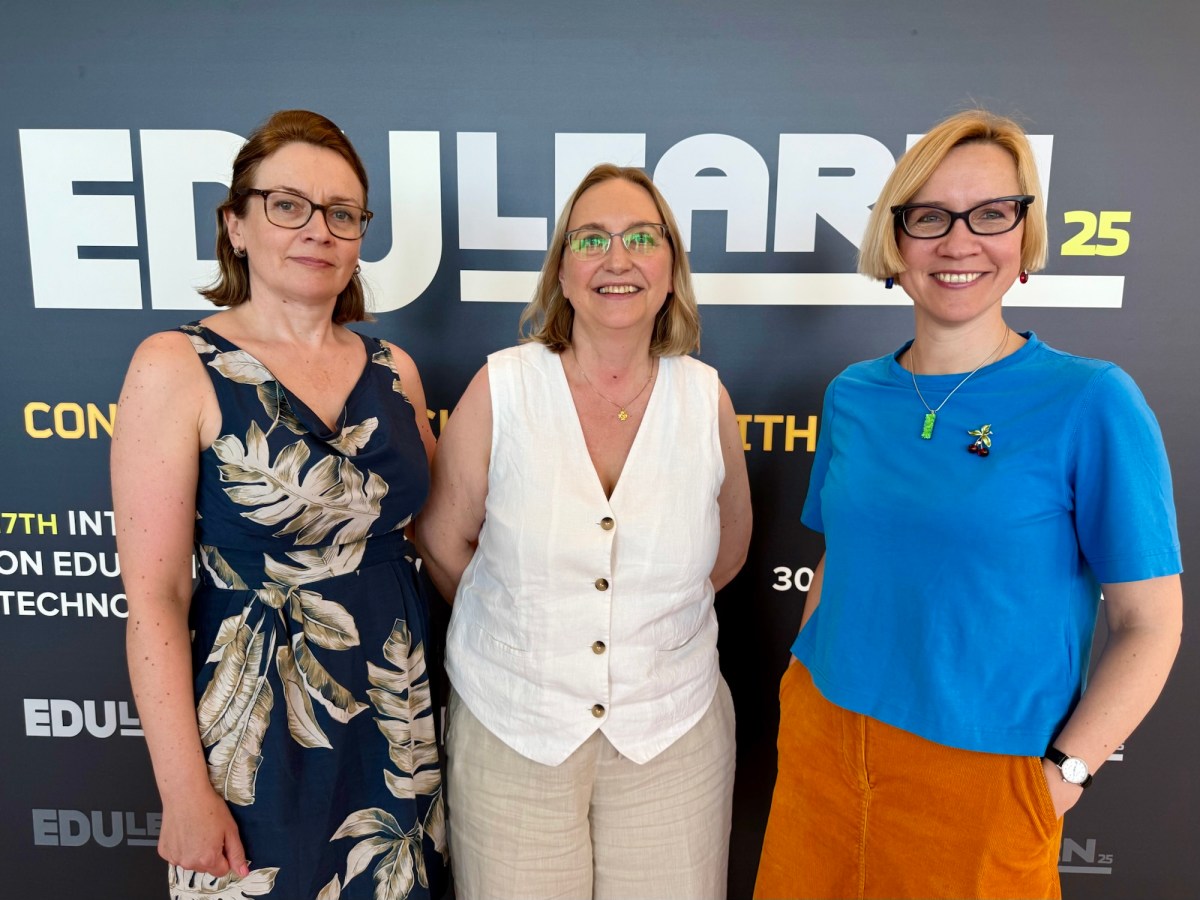




 Online Safety